
This title presents a full overview of how the game functions during real play sessions. The Chicken vs Zombies game is built around survival rounds where each decision affects how long a run lasts and how risk develops over time. Gameplay is structured through repeating zombie waves, simple controls, and clear win or exit choices. Core mechanics focus on timing, wave progression, and balance between staying longer and protecting the current result.
Chicken vs Zombies Casino Theme, Story Concept, and First Gameplay Impression

- The setting is built around a light survival storyline where a lone chicken faces advancing zombie groups across short rounds. Visual elements support the idea without distracting from decision flow, keeping attention on timing and wave movement rather than decoration. The Chicken vs Zombies casino theme feels consistent from the opening screen, with symbols and animations clearly tied to the narrative logic.
- During the first session, controls are easy to understand and require little adjustment time. Waves begin at a manageable pace, allowing players to grasp how risk grows as zombies continue to appear. Early rounds feel measured, giving space to understand how staying longer increases both potential reward and exposure.
- The initial impression is focused on clarity. There is no overload of rules, and the story works mainly as context for survival mechanics. This balance helps the first session feel stable, controlled, and suitable for longer testing without confusion.
Chicken Protagonist Role, Zombie Behavior, and Arena Structure




The central character acts as the player anchor, remaining visible while waves of zombies move through a fixed arena. The chicken does not change position, which keeps attention on incoming threats and timing choices. Zombie behavior follows clear patterns, with speed and density increasing as rounds progress. The arena layout stays consistent, allowing players to read movement quickly and judge risk based on wave flow rather than visual change.
Session Flow and Emotional Rhythm During Early Rounds
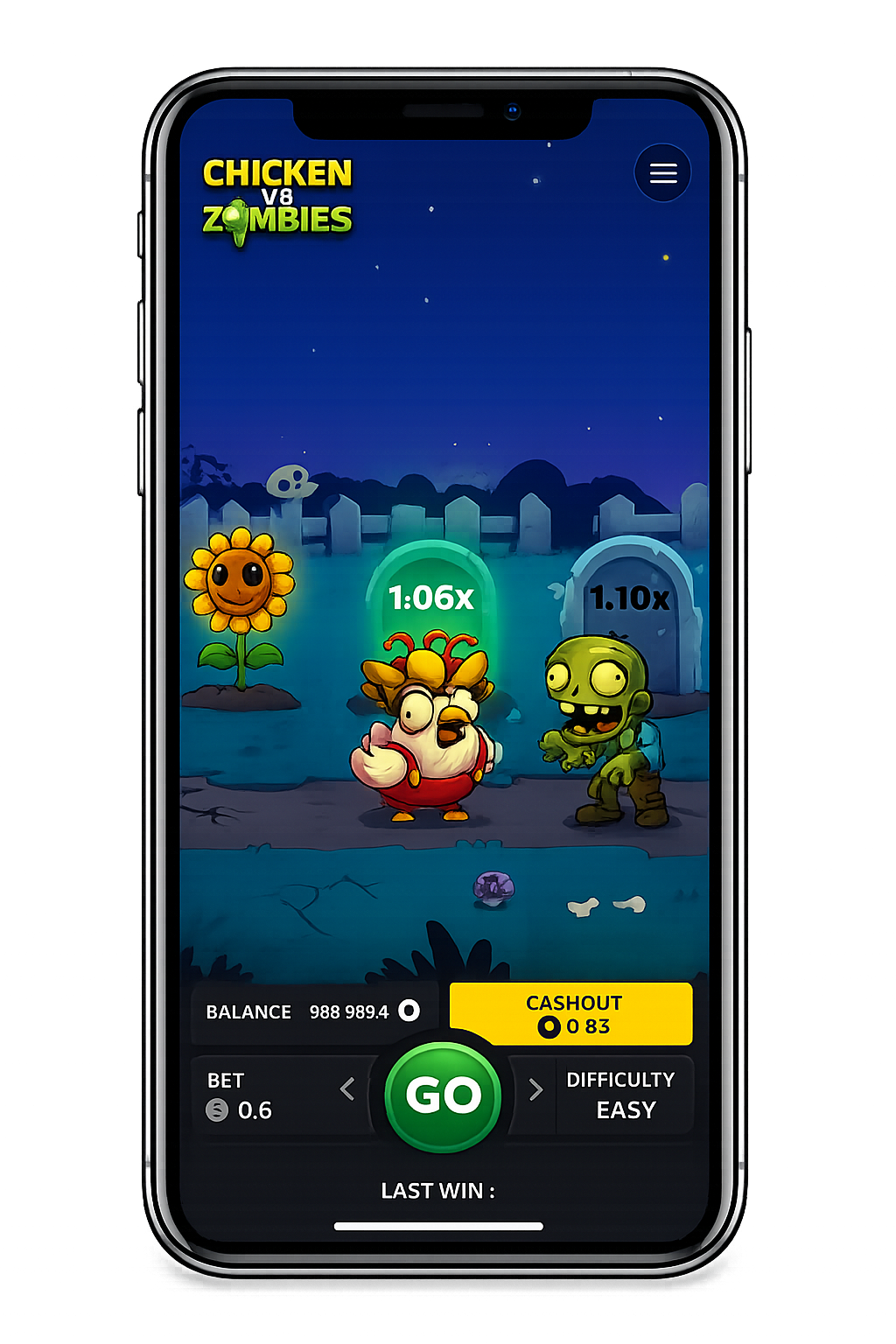
Early rounds move at a steady pace, giving players time to react without pressure. The rhythm feels controlled, with clear pauses between waves that allow quick assessment of the situation. Initial tension builds gradually rather than sharply, which helps maintain focus. This pacing supports confidence in the first minutes and encourages continued play without creating stress too quickly.
Chicken vs Zombies Core Gameplay Loop, Betting Logic, and Round Progression
- Each round begins with a fixed wager and a calm starting phase where movement is predictable. As the round continues, zombie waves appear more frequently, increasing pressure and narrowing reaction time. In Chicken vs Zombies, this loop creates a clear link between duration and risk, making every extra second a calculated choice rather than a passive wait.
- Betting logic stays simple and transparent. Players decide whether to continue the round or secure the current result, with no hidden modifiers affecting outcomes. This structure makes it easy to track how risk builds naturally through wave density instead of sudden rule changes.
- Round progression follows a steady curve. Early stages allow observation and comfort, while later phases test discipline and timing. This balance defines the core loop and shapes long-term play behavior.
How Player Decisions Shape Each Survival Attempt
Each survival attempt is shaped by conscious choices made under increasing pressure. Players decide how long to remain active as conditions grow less predictable. Timing exits becomes as important as staying in the round. This tactical layer rewards awareness, as recognizing personal limits often leads to steadier outcomes than pushing every session to its edge.
Balance Between Action Speed and Decision Time

The pace of action increases gradually, giving players room to think before pressure rises. Early moments allow calm reactions, while later phases shorten response windows without becoming chaotic. This balance creates a steady tempo where decisions feel intentional rather than rushed. The timing structure supports focus, allowing judgment to remain central even as speed becomes more demanding.
Volatility Pattern, Win Distribution, and Bankroll Pressure
- Volatility follows a measured curve rather than sudden spikes. Early rounds tend to produce modest outcomes that help set expectations, while later stages carry higher variance tied to longer survival. This creates an RTP feel that becomes clearer over repeated sessions instead of single attempts.
- Win distribution leans toward frequent smaller returns balanced by occasional stronger results. This rhythm supports steady bankroll movement when sessions are managed with discipline, as outcomes feel paced rather than clustered.
- Bankroll pressure grows naturally as rounds extend. The financial rhythm reflects time spent in play, making withdrawal timing a central factor in managing exposure and session length.
Short Session Results Compared to Extended Play
Short sessions tend to deliver clearer outcomes with limited exposure, making results easier to track and control. Extended play introduces wider swings as variance has more time to unfold. Over longer periods, gains and losses feel more spread out, requiring stronger discipline. This contrast highlights how session length directly shapes financial rhythm and overall comfort.
Frequency of Small Wins Versus High Risk Moments
Smaller wins appear regularly and help maintain balance during most sessions. These outcomes create a steady rhythm that offsets longer periods without major returns. High risk moments emerge later, when continuing play offers higher potential but less control. The contrast between steady gains and tense decisions defines the overall risk to reward relationship.
Final Player Assessment After Repeated Real Money Sessions
- After multiple real money sessions, the overall impression is shaped by consistency rather than isolated results. The structure remains predictable, which helps form realistic expectations across different play lengths. Sessions feel grounded, with outcomes reflecting time spent and decisions made instead of sudden shifts.
- Replay value comes from control and clarity. The game does not rely on surprise elements, making it suitable for repeated testing. Familiarity improves comfort, allowing players to refine timing and manage exposure with more confidence over time.
Player Profiles That Match This Game Structure
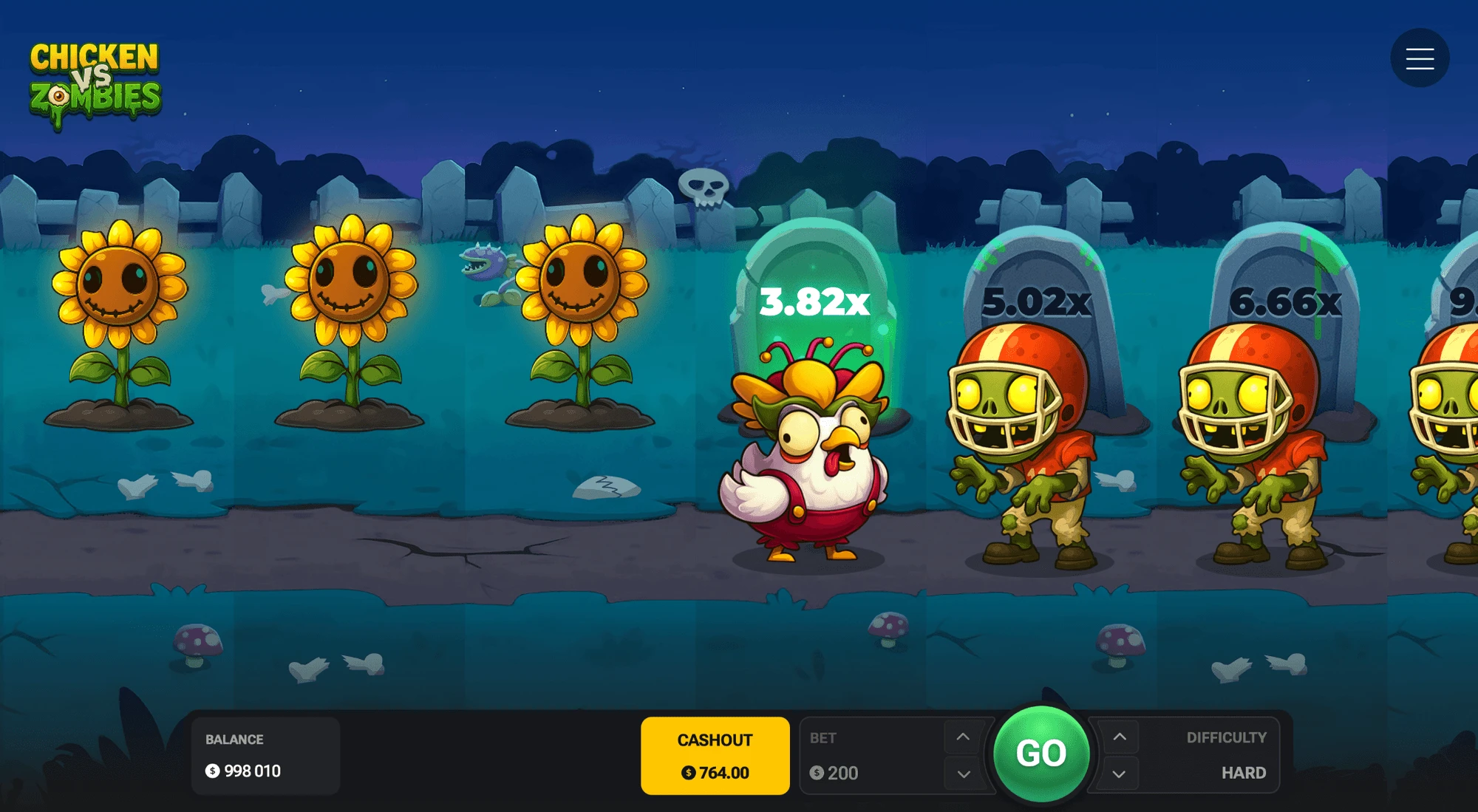
This game structure suits players who value control over pace and outcome rather than complex feature layers. It aligns well with those comfortable making quick decisions and setting personal limits during play. Users who prefer short, focused sessions or structured testing periods may find the format steady and manageable, especially when consistency matters more than variation.
FAQ
What type of game is Chicken vs Zombies?
Chicken vs Zombies is a survival-style casino game where players manage risk during advancing waves, choosing when to continue or stop while outcomes depend on timing and round progression
Can Chicken vs Zombies be played in demo mode?
Yes, a demo version allows users to test mechanics, pacing, and decision flow without financial exposure, helping understand how rounds develop before switching to real money sessions.
How does risk increase during gameplay?
Risk grows as zombie waves accelerate over time. Staying longer increases potential rewards while reducing reaction windows, making each continued round a deliberate decision rather than passive play.
Is Chicken vs Zombies suitable for short sessions?
The game works well in short sessions because rounds resolve quickly, outcomes are easy to track, and players can exit early without needing extended time commitments.
Does experience improve results over time?
Experience mainly improves timing and comfort. While outcomes remain unpredictable, familiarity helps players recognize pacing patterns and manage exposure more consistently across repeated sessions.